Toto Wolff has shared insights from Mercedes' struggles in Formula 1, focusing on leadership lessons learned after a key resignation attempt within the team.
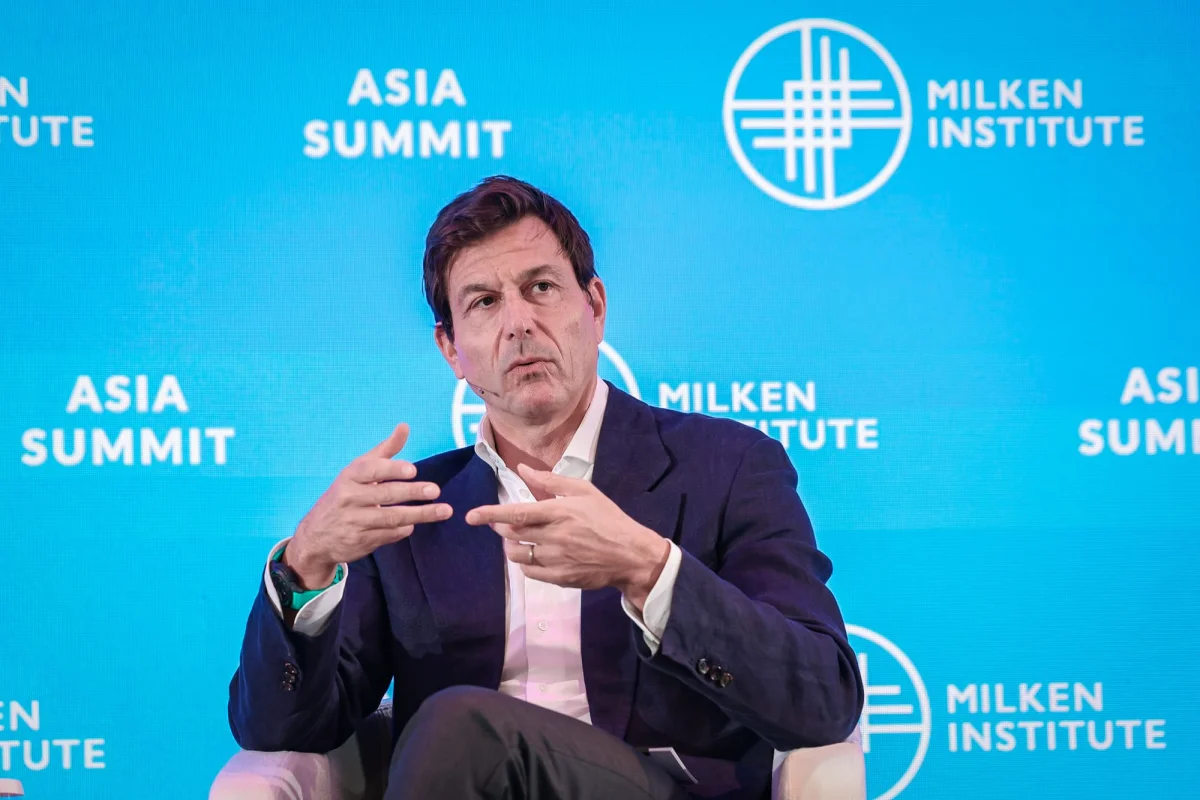
Mercedes Formula 1 team principal Toto Wolff recently opened up about significant lessons learned from the team’s struggles following a historic span of dominance in the sport. From 2014 to 2021, Mercedes enjoyed an extraordinary run, clinching eight consecutive constructors' championships and seven drivers' titles. However, changes in regulations introduced a new era, leading to disappointing performances that tested the leadership and endurance of the team.
The shift began with the ground effect rules kicking in from the 2022 season onward, which drastically affected how the team performed on the track. Wolff acknowledged that this adjustment period imparted critical lessons, especially following a dramatic moment when one of his top engineers, James Allison, contemplated quitting in late 2023 due to mounting pressure.
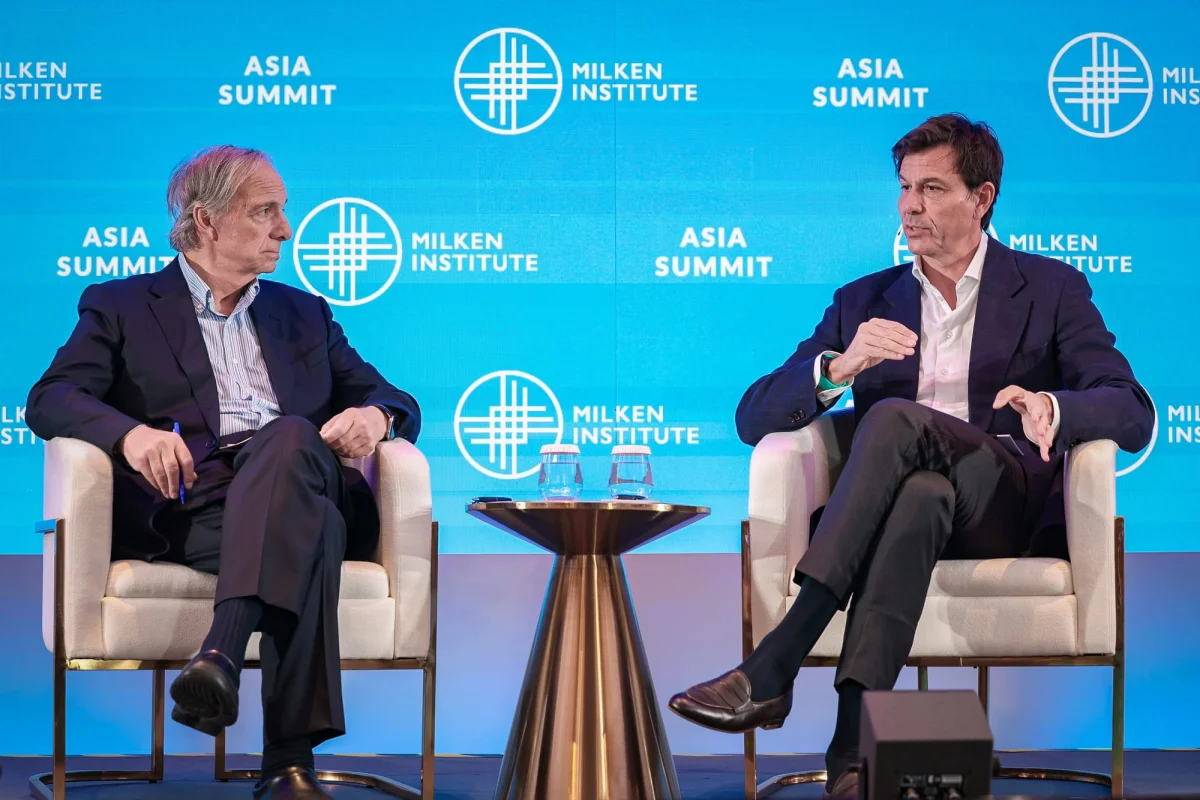
During the Milken Institute Asia Summit 2026 in Singapore, Wolff detailed an incident that exemplified the challenges he faced as a leader. The team had high hopes for the Brazilian Grand Prix, given their past successes at the venue, particularly after a disappointing previous year. However, when they failed to deliver the anticipated performance, Wolff's emotions got the better of him during a post-race interview. When a journalist posed the question, “Does that car deserve to win?” Wolff’s blunt reply was, “No, it doesn’t deserve to win.”
This statement struck a nerve, resonating with Allison and others within the technical team, who took it as a direct indictment of their efforts. Wolff later described how Allison confronted him, saying, “I’m quitting, I can’t take your pressure anymore. How do you think I feel?” This pivotal conversation forced Wolff to reflect on his management style and its emotional weight on his team.
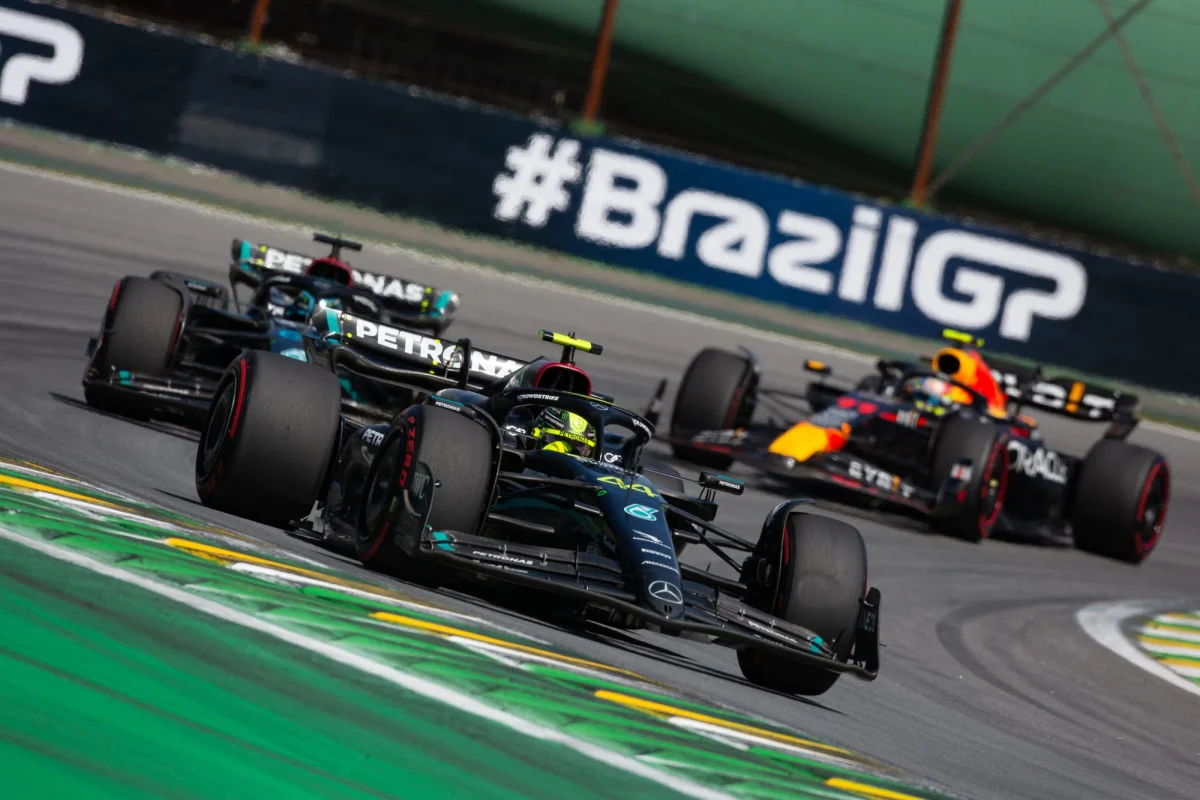
In the aftermath of this encounter, Wolff invested time and effort into persuading Allison to remain with Mercedes. Ultimately, Allison decided to recommit to the team, signing a new long-term contract over the winter of 2023-24. This period of introspection prompted Wolff to reevaluate his leadership approach, recognizing that a shift was necessary given the historical context of their previous successes and current setbacks.
Adapting Leadership Styles
Wolff acknowledged that his traditional leadership method, characterized by relentless pressure and what he called “tough love,” was no longer appropriate for the mood and dynamics within the team. Drawing inspiration from driver Lewis Hamilton, who taught him the importance of flexibility based on circumstance, Wolff committed to a new strategy focused on empathy rather than unyielding demand.
“Fundamentally I had to change,” he stated. “It’s something I learned that if you realize you’ve made mistakes or acted inappropriately, change.” This recognition signified a broader understanding that effective leadership must evolve alongside team dynamics, particularly in periods of adversity.
Growth Through Adversity
Wolff subscribes to the belief that challenging times foster resilience and growth. He shared an internal mantra at Mercedes: “the days we lose will be regretted by our competitors.” This mindset aims to galvanize the team, shifting focus from disappointments to long-term improvements. However, Wolff candidly admitted that maintaining this perspective during tough times is considerably more challenging than it sounds.
In team debriefs following races, the discussion usually skews toward identifying losses rather than celebrating wins. Wolff emphasized the importance of this reflective practice, stating, “You rarely come back and say in the debrief, ‘Why the hell did we win?’, but the opposite: ‘Why the hell did we lose?’” This constant drive for self-assessment ensures that lessons are drawn from failures, contributing to the team's resilience moving forward.
Wolff also spoke to the difficulties of maintaining motivation through relentless setbacks. He remarked on how the oversimplified motivational content often seen on social media falls short when the same challenges repeat themselves. “After the 10th time you’re being knocked down, the Instagram motivational thing doesn’t help you anymore,” he noted. The true growth comes from navigating these tough experiences and emerging stronger as a result.
With four years passed since Mercedes last contended for an F1 title, the tides appear to be shifting. The current season finds Mercedes positioned strongly to reclaim both the constructors' and drivers' championships, a sign of the progress made as the team continues to adapt and learn from its recent experiences.
Overall, Wolff's journey through these challenges not only illustrates the evolution of a leader during tough times but also highlights Mercedes' ongoing commitment to resilience and adaptability within Formula 1.


