Hyundai's new Bayon SUV is set to launch in India on October 26, 2026, positioned between the Venue and Creta, with bookings currently open.
The anticipation surrounding Hyundai's latest entry into the Indian SUV market has culminated in the official unveiling of the Bayon, scheduled for launch on October 26, 2026. Bookings are now open for a nominal fee of Rs 11,000, and deliveries are expected to start during the festive season, a peak time for automobile purchases in India. The Bayon will strategically fill the gap between the popular Venue and the larger Creta in Hyundai's range.
Engine and Transmission Options
Under the hood, the Bayon is powered by a 1.5-litre naturally aspirated four-cylinder MPi petrol engine that produces 115 PS of power and 144 Nm of torque. This engine, well-regarded for its reliability, is also found in the Creta. Buyers can choose from two transmission options: a six-speed manual gearbox or Hyundai’s Intelligent Variable Transmission (IVT), which offers a smooth, automatic driving experience. Notably, Hyundai has yet to introduce diesel, turbo-petrol, or CNG variants for this model.
Exterior Styling and Dimensions
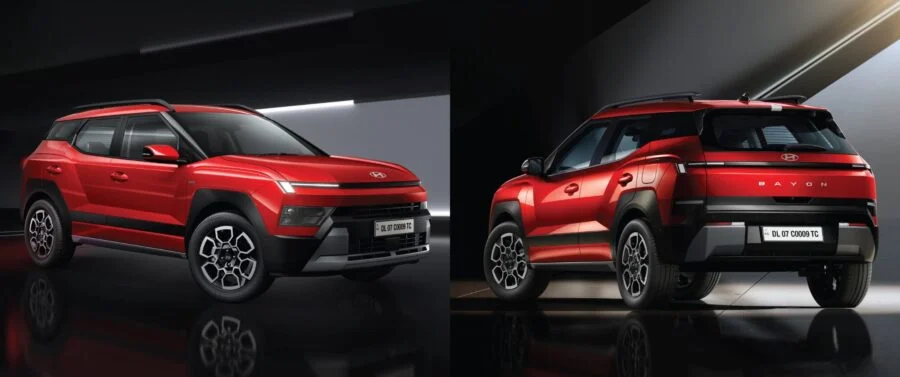
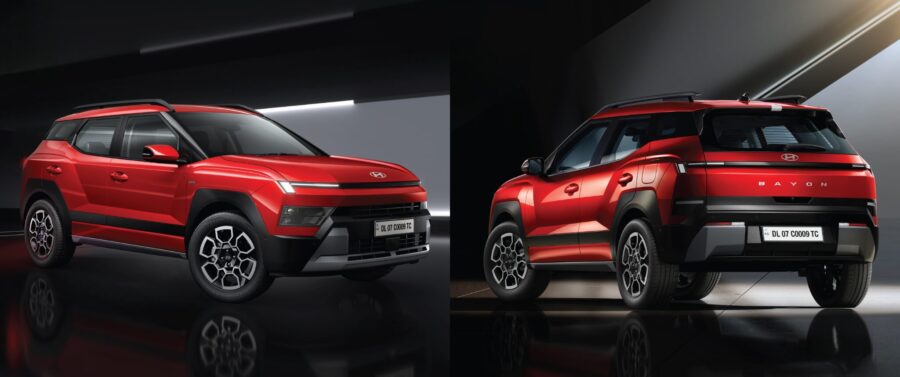
With a length of approximately 4.2 meters, the Bayon boasts a bold and modern design that stands out in the compact SUV segment. It features a sculpted bonnet and angular wheel arches, creating a sporty profile accentuated by black body cladding. The front end showcases slim H-Edge LED daytime running lights positioned above the main headlamps, while the bumper incorporates silver-finished accents. Side profile elements include geometric alloy wheels and bridge-type roof rails, enhancing its overall sporty aesthetic. The rear is completed with connected lighting elements, distinct BAYON lettering, and a roof spoiler that adds a touch of flair.
Equipped with 17-inch alloy wheels paired with 215-section tyres, the Bayon also offers practical elements like front and rear parking sensors. A 360-degree camera system is anticipated, though specific features will vary according to the selected variant.
Interior Features and Technology
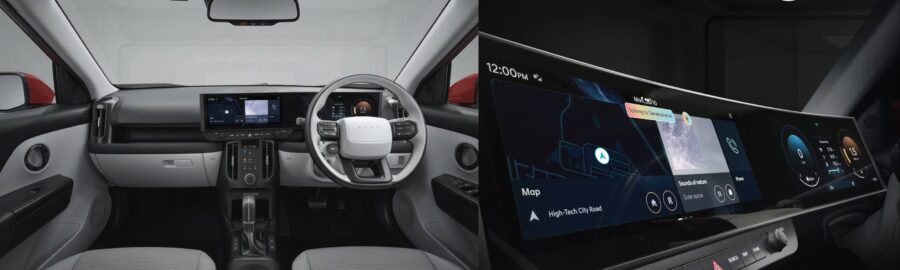
Jumping inside, the Bayon delivers a modern cabin experience characterized by a grey and black color scheme. A standout feature is the dual 12.3-inch display setup that houses both the infotainment system and a digital instrument cluster, providing a high-tech feel. The dashboard design incorporates physical shortcut buttons and rotary knobs for the infotainment, enhancing user-friendliness while driving.
- Smart air-conditioning vents arranged vertically
- Wireless phone charging capabilities
- USB-C ports for convenient connectivity
- Automatic gear selector
- Storage spaces throughout the cabin
- Front seat ventilation and parking camera controls
Additional features are expected to include a panoramic sunroof, although complete specifications will be detailed at the official launch.
Advanced Infotainment and Connectivity
Adding to its tech-forward approach, the Bayon debuts Hyundai’s first generative AI voice assistant in India. Developed in collaboration with Perplexity and SoundHound AI, this assistant can engage in conversational queries related to travel planning, weather forecasts, and local recommendations. Initially, the AI will support English but plans for wider language inclusion are expected in future updates.
Furthermore, the Bayon is equipped with Hyundai’s Connected Car Navigation Cockpit (ccNC), which leverages NVIDIA-accelerated computing for a robust infotainment experience. This system offers over 70 Bluelink connected functionalities, including vehicle location monitoring and remote access features via mobile devices. Noteworthy is its capacity for over-the-air updates, allowing for ongoing enhancements across 19 vehicle controller systems, depending on availability and Hyundai’s policies. The system is designed to accept voice commands in various languages, including English, Hindi, Hinglish, Tamil, Bengali, and Telugu, which enhances accessibility for diverse user bases.
Expected Pricing and Market Position
The Bayon is built on Hyundai's Global K Enhanced Platform, which is designed to meet rigorous safety standards and aims for a five-star rating in Bharat NCAP crash tests. With a projected price range between Rs 9.5 lakh and Rs 14 lakh (ex-showroom), the Bayon is entering a competitive segment filled with dynamic rivals. While pricing details will be clarified at launch, the Bayon’s unique blend of style, technology, and practicality makes it a strong contender against similar offerings in the market.
As the official launch date approaches, enthusiasts and potential buyers will be eager to see how the Bayon enhances Hyundai's reputation in the SUV segment while catering to the diverse needs of Indian consumers.