Nissan confirms the discontinuation of the Altima, tracing its history from a respected competitor to a fading presence in the mid-size sedan market.
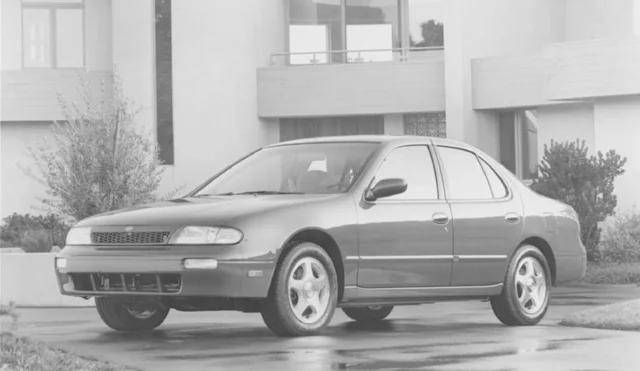
The Nissan Altima has reached its end; Nissan's senior vice president for North America, Ponz Pandikuthira, announced its official demise in an interview with WardsAuto. While rumors of its discontinuation had circulated since 2024, the confirmation marks the close of a significant chapter in Nissan's history. Once a prominent competitor in the mid-size sedan segment, the Altima has experienced a dramatic shift in its market relevance, reflecting broader changes in consumer preferences and automotive technology.
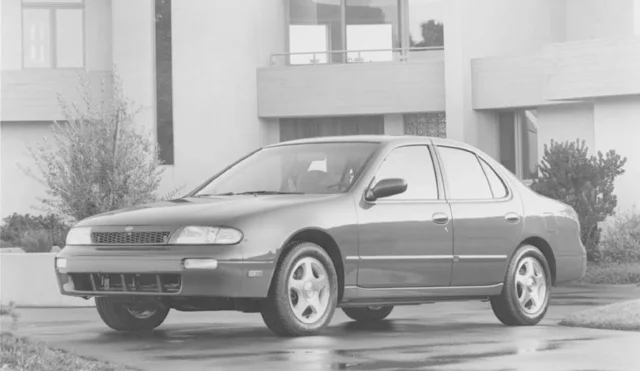
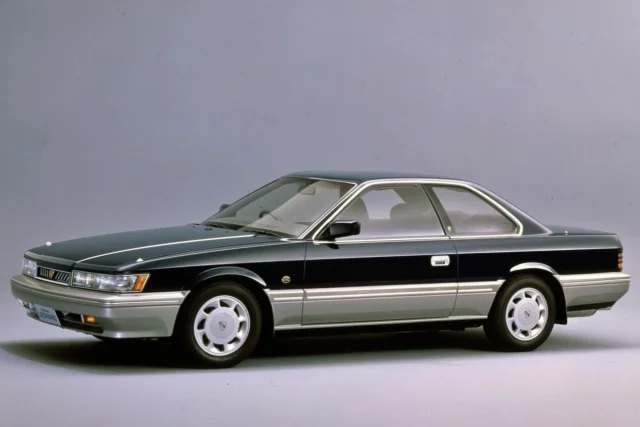
The Altima name first emerged in 1986, when it served as a top-trim variant of the Japanese market's Nissan Leopard. Its early days in the U.S. can be traced back to the Stanza Altima (chassis code U13), a move by Nissan to sidestep the onerous government certification processes associated with launching new models. This strategic decision demonstrated Nissan's willingness to adapt quickly in an evolving market.
Distinct from the boxy lines of its predecessors, the U13 Altima introduced rounded styling aimed primarily at North American consumers. Designed in La Jolla, California, by Nissan Design International, the Altima rolled off the production lines in Smyrna, Tennessee, following a substantial $430 million investment to modernize the plant. Initial reviews were lukewarm, yet consumer response was robust, with 120,000 units sold in its debut year. Car and Driver eventually recognized its appeal, praising the Altima for its performance and handling characteristics during snowy conditions.
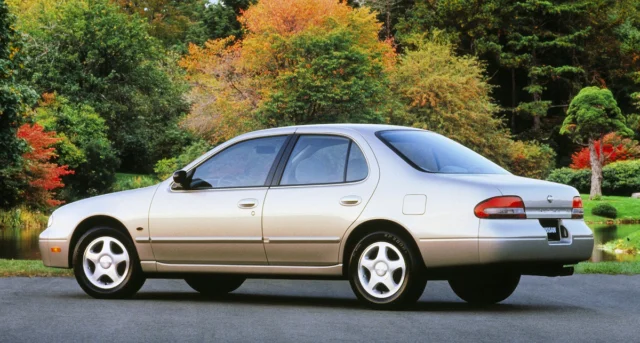
With the launch of its second generation in 1998, the Altima shared a platform with the U14 Bluebird while boasting a wider interior and roomier exterior. However, the reviews took a downturn, as critics highlighted its outdated drivetrain and absence of a V6 option, which left the Altima competing at a disadvantage against contemporaries like the Honda Accord and Toyota Camry. Although sales hovered between 130,000 to 145,000 units annually, they paled in comparison to the 400,000-plus units sold by the Accord and Camry.
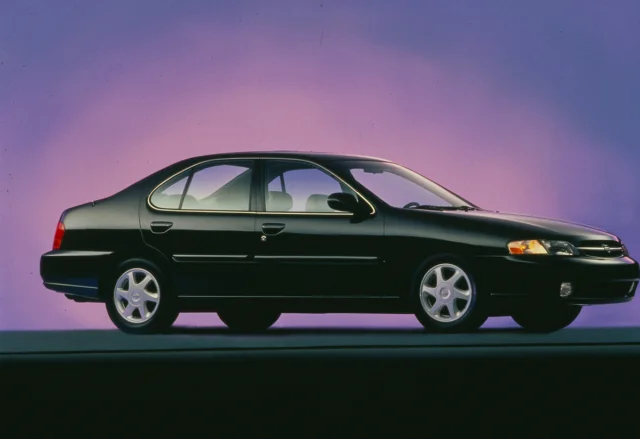
Nissan's financial instability in the late 1990s further clouded the Altima's prospects. As Nissan prepared to forge an alliance with Renault, the need for a compelling product became urgent. Fortunately, the introduction of the third-generation Altima in 2002 represented a significant turning point. This model offered dimensions comparable to the Camry and Accord while delivering a level of sportiness that contrasted sharply with the more comfort-oriented designs of its rivals. It was also the first Altima to feature the VQ35DE V6 engine, producing 240 horsepower.
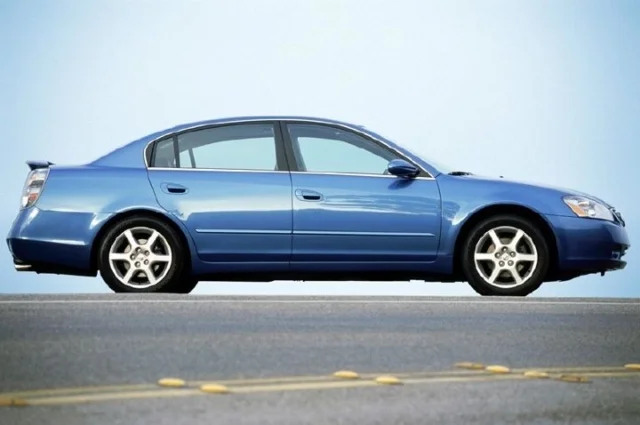
This powerful V6 not only outclassed its competitors—Camry’s 192 horsepower and Accord’s 200 horsepower—but also helped the Altima achieve impressive performance metrics, such as a 0-60 mph time of just 6.3 seconds. During this era, the Altima garnered the North American Car of the Year award in 2002, marking a pivotal moment as the first Japanese vehicle to earn that distinction. Sales surged, reaching an impressive 200,000 units in its first year, eventually peaking at over 250,000 annually.
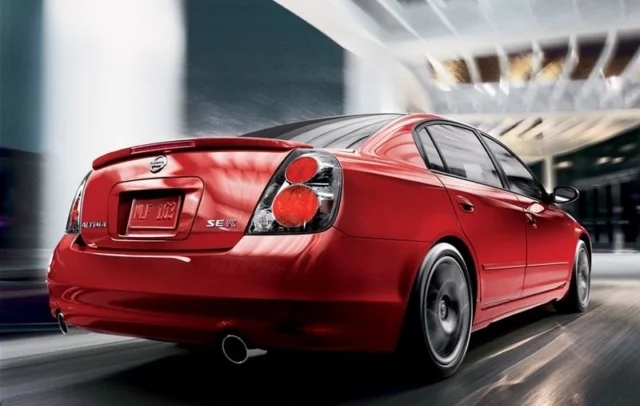
Despite this peak success, the trajectory of the Altima would soon shift dramatically. In 2004, Nissan expanded the Altima lineup with the return of the SE-R trim, featuring sport-tuned suspension and 260 horses. The Altima Hybrid also launched that year, using components sourced from Toyota, in an effort to introduce a fuel-efficient alternative. However, these moves wouldn’t be enough to maintain momentum in a rapidly changing automotive landscape.
As consumer preferences shifted towards SUVs and crossovers, traditional sedans like the Altima faced a steep decline in popularity. The once-held regard for the Altima among enthusiasts dwindled as it became less relevant to both buyers and dealerships. Increasingly, the Altima was relegated to a status as rental car fodder and a punchline within automotive circles, symbolizing a shift away from the performance-oriented ethos that once defined it.
In the next installment, we will examine how the Altima transitioned from being a favored choice among driving enthusiasts to a less desirable option in today's car marketplace. Through this exploration, we’ll uncover insights about its legacy and what led to its unfortunate decline in stature.
Images courtesy of Nissan


