Koji Sato, former CEO of Toyota and current Chief Industry Officer, is urging Japan's automakers to develop a shared parts standard to boost global competitiveness.
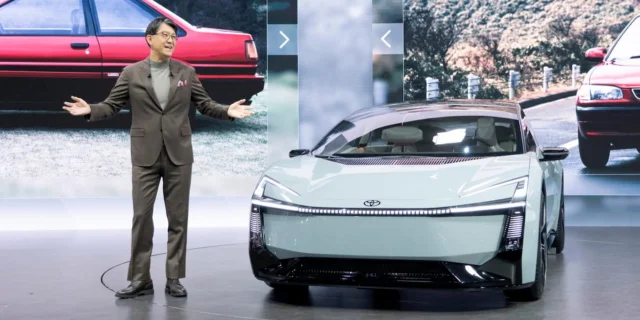
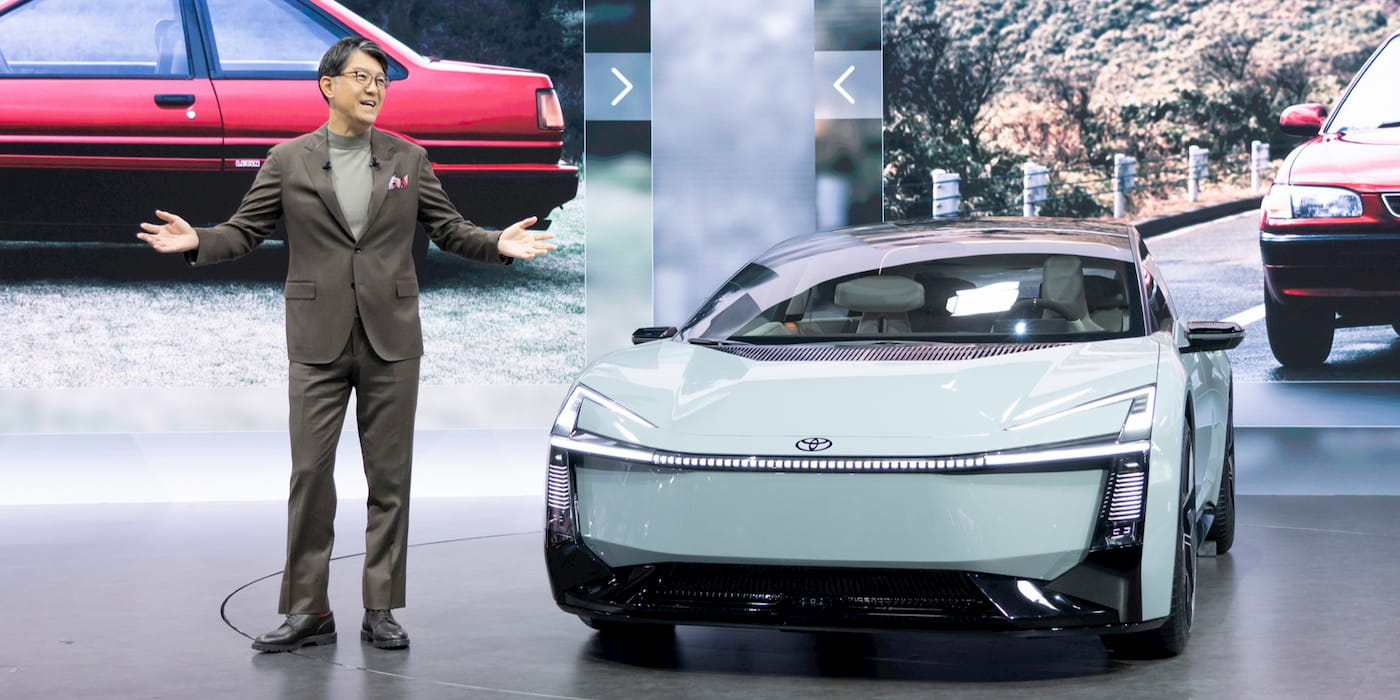
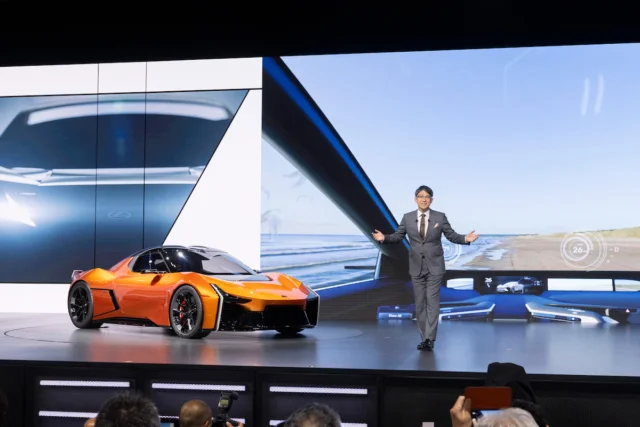
In a significant move to address challenges facing the Japanese automotive industry, Koji Sato, now serving as Toyota’s Chief Industry Officer after his recent stint as CEO, is calling for collaboration among Japan’s seven major car manufacturers. This initiative aims to establish a unified 'Japan Standard' for manufacturing components that are crucial yet invisible to consumers.
Standardizing Components for Greater Efficiency
Sato's proposal targets areas such as fasteners, steel grades, and plastics—components that typically go unnoticed by end-users. His rationale is grounded in the current complexity within the supply chain, which he argues detracts from efficiency. For instance, he noted that Japan’s suppliers are producing a staggering 70,000 different types of wiring harnesses. This vast array not only complicates manufacturing but also leads to increased costs and wasted resources.
By advocating for standardization, Sato suggests that productivity across the seven automakers—Toyota, Subaru, Mazda, Suzuki, Honda, Nissan, and Mitsubishi—could potentially improve tenfold. Such gains would allow manufacturers to redirect focus toward more visible and consumer-facing elements of vehicle design, thereby enhancing differentiation among brands.
Boosting Competitiveness in a Changing Market
The urgency behind Sato's initiative stems from growing international competition, particularly from rapidly advancing electric vehicle (EV) manufacturers in China. These companies have gained substantial traction in markets across Europe, Australia, and Southeast Asia, prompting a crisis of competitiveness within Japan’s auto sector. “We have a strong sense of crisis that the Japanese auto industry is in a massive period of transition,” Sato stated, emphasizing the need for swift action to adapt to these changes.
Sato also highlighted the historical context of this moment, describing it as a “once-in-a-century period of transformation.” With this mindset, he is advocating for strategic reform that can propel Japanese automakers forward as they face the dual challenges of technological evolution and stringent market competition.
The Implications for Smaller Manufacturers
This standardization initiative could particularly benefit smaller automakers like Mazda and Subaru, which lack the scale of power in supplier negotiations that Toyota commands. By aligning parts across all major manufacturers, these companies could leverage increased economies of scale, thus reducing costs and enhancing their market bargaining position.
Moreover, this approach could pave the way for smaller manufacturers to innovate more freely in design and technology without being bogged down by excessive variations in parts production. By focusing more on what makes their vehicles unique, companies could better compete in a landscape that increasingly values individualization and technological advancement.
Industry-Wide Collaboration
Sato envisions this collaboration as not merely a response to external threats but as a proactive measure to ensure the long-term viability of Japan’s automotive industry. He has called upon the seven automakers to unite, suggesting that such cooperation could elevate their collective standing in the global marketplace. Given Toyota’s reputation as a leader within the sector, it’s plausible that other OEMs will follow suit and adopt similar standards, thus leveling the playing field for competition.
A Call to Action for Japan’s Auto Manufacturers
The current automotive landscape necessitates a shift in strategy, highlighting the importance of adaptability and collaboration in overcoming the looming threats posed by competing markets. Sato's bold call to action represents a pivotal moment in Japanese automotive history. His focus on standardization not only targets cost savings but also aims to strengthen the innovative capacity of Japanese manufacturers.
As these developments unfold, the effectiveness of this initiative will likely depend on the willingness of Japan's automakers to prioritize collective action over individual brand strategies. The willingness to cooperate might just determine the future success of the nation's automotive landscape as it faces unprecedented transformations in vehicle technology and sustainability.
Images courtesy of Toyota.


